
When the Vines Came West - Cornwall’s Quiet Wine Revolution
For centuries, wine belonged firmly to sunnier places. France, Italy, Spain — landscapes shaped by long summers and predictable seasons. Cornwall, with its salt-laden winds and changeable skies, was never part of that conversation.
Until now.
As climate change reshapes traditional wine regions across France — bringing droughts, heat stress, and unpredictable harvests — something unexpected has been happening further north. Cornwall, long known for its mild maritime climate, has quietly become fertile ground for a new kind of viticulture.
The vines have arrived gently, almost without announcement.
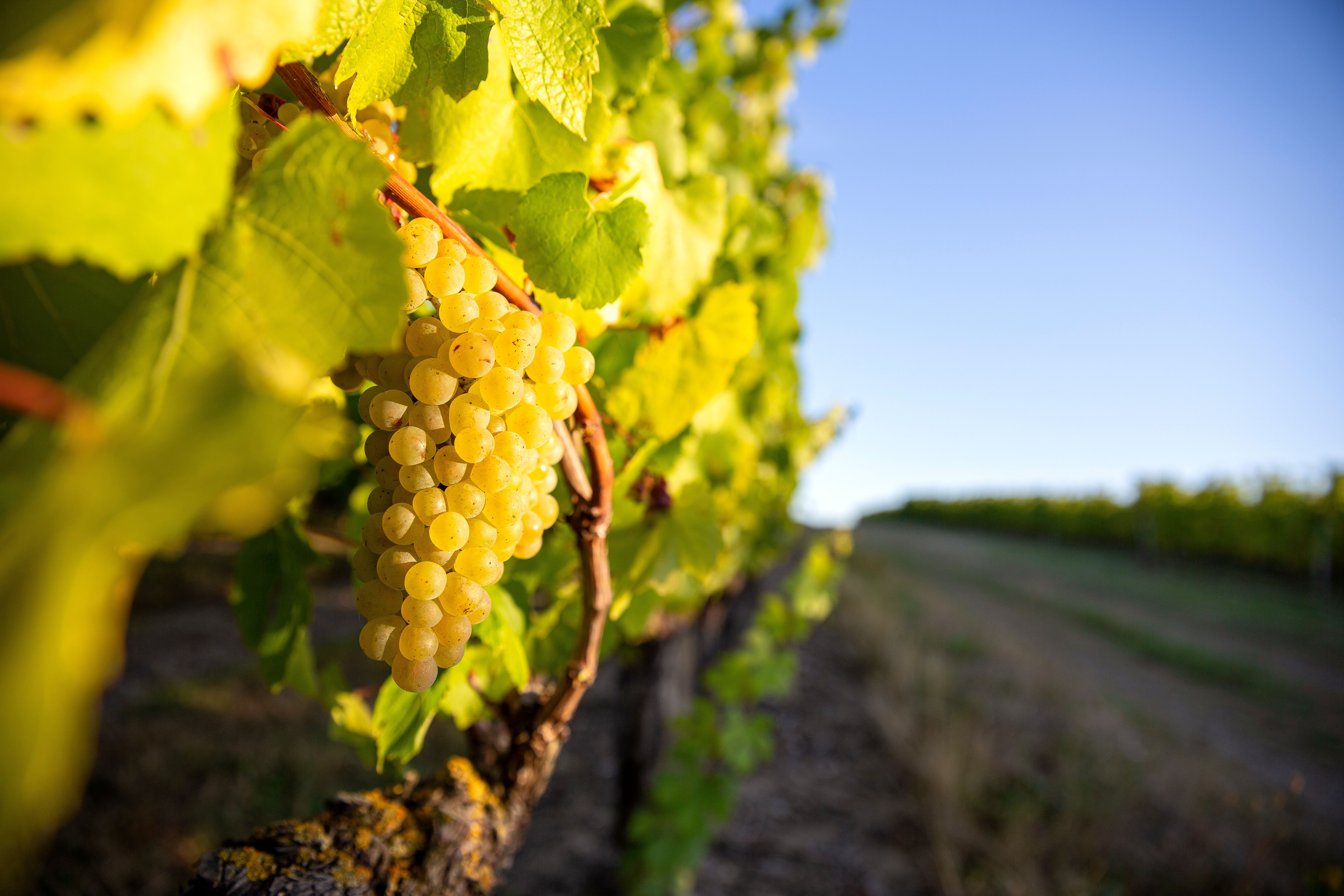
Warmer average temperatures, longer growing seasons, and fewer severe frosts have made Cornwall increasingly suitable for grape varieties once thought impossible here. Sheltered south-facing slopes, mineral-rich soils, and cooling sea breezes now offer conditions strikingly similar to parts of Champagne several decades ago.
Where mining once dominated and pasture later followed, rows of vines now trace the contours of Cornish hillsides.
This shift is not about replacing France, nor competing with centuries of tradition. It is about adaptation. As French winegrowers are forced to move vineyards northward or to higher altitudes, Cornwall has become part of a broader European rebalancing — a reminder that agriculture, like the climate itself, is never static.
Cornish wine has quickly developed a character of its own. Crisp, mineral-led whites. Bright, elegant sparkling wines shaped by cool nights and Atlantic air. Wines that taste unmistakably of place — of sea mist, stone, and patience.

For local growers, this is more than an agricultural opportunity. It is a revival of connection to the land. Small vineyards sit alongside farms, often family-run, rooted in sustainability and long-term stewardship. There is care in the way these vines are planted, tended, and harvested — an understanding that this landscape has already given much, and must be treated gently in return.
Yet this story carries a quiet tension.
Cornwall’s emerging wine scene exists because the climate is changing elsewhere — because regions like Bordeaux and the Rhône face challenges that threaten their future. The success of Cornish vineyards is inseparable from a global reality that cannot be ignored. These vines are both a symbol of possibility and a reminder of loss.
Still, there is something hopeful in how Cornwall has responded — not with excess or urgency, but with restraint. The wine industry here is growing slowly, thoughtfully, in harmony with a place that has always valued balance over abundance.
Perhaps that is what makes Cornish wine so compelling. It is not just about what’s in the glass, but about adaptation, resilience, and listening closely to the land. It tells a story of change — not shouted, but whispered — carried on the same Atlantic winds that have shaped this coast for generations.

The vines may be new.
But the patience, care, and respect for place are deeply, unmistakably Cornish.