
When Poldark Put Cornwall Back on the Map
There was a moment — quiet at first, then unmistakable — when Cornwall changed.
Not suddenly, and not loudly, but with the steady arrival of curious footsteps on cliff paths, the soft hum of accents from elsewhere, and the sense that the rest of the world had finally turned its gaze west.
When Poldark aired, Cornwall didn’t just appear on television. It unfolded.
The drama brought with it sweeping shots of rugged cliffs, wild seas, and moorland that seemed to breathe with history. Tin mines stood like sentinels against the sky, beaches glowed pale beneath shifting clouds, and villages appeared as if time had gently stepped aside for them. For many viewers, it was love at first sight.
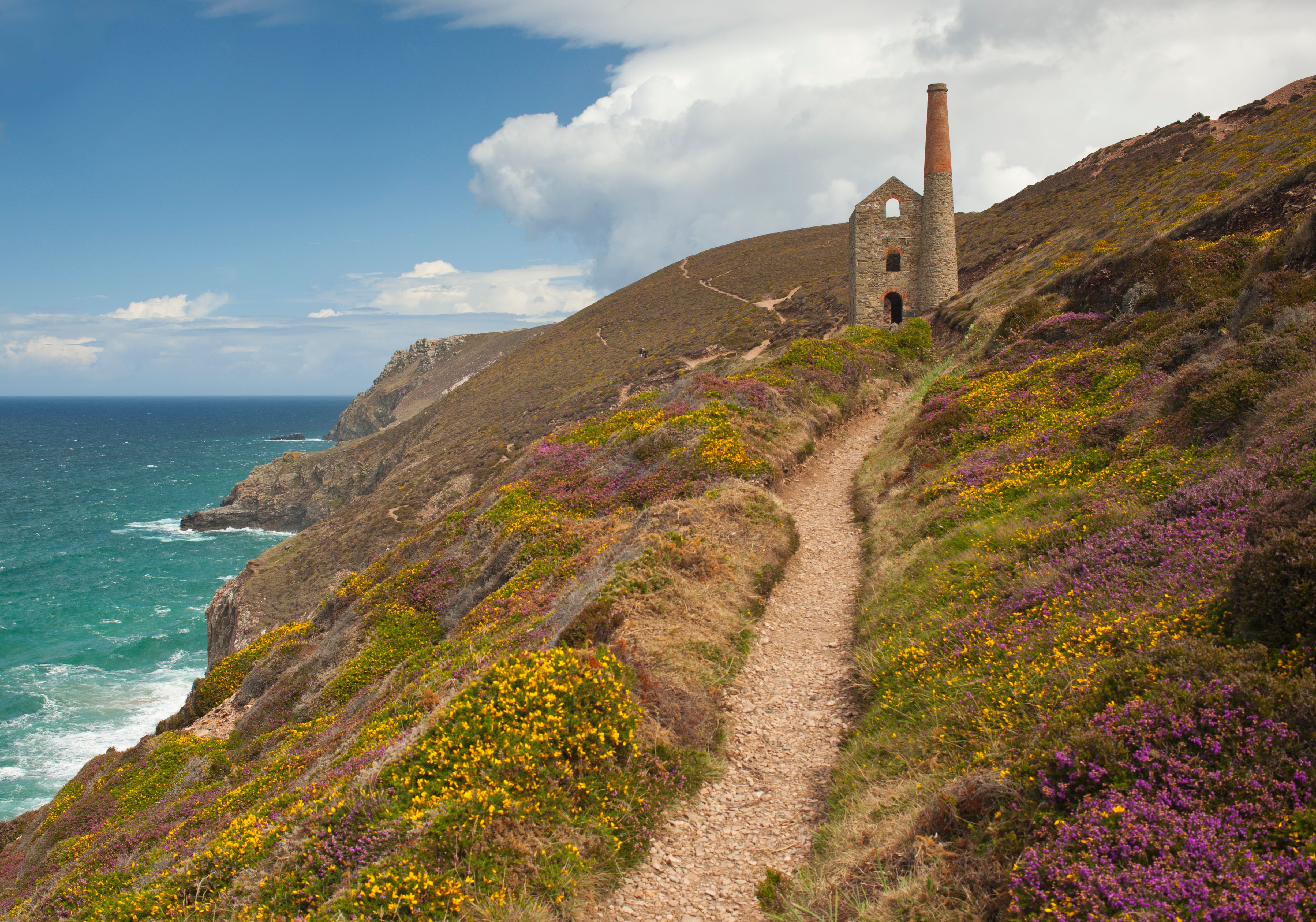
For those of us who live here, it was something else entirely — a recognition.
Cornwall has always carried its beauty quietly. It never chased attention. But Poldark invited the world to slow down and really look: at the way the light changes by the hour, how the sea is never the same colour twice, how stories linger in the land itself. And people listened.
Visitors came searching for Ross and Demelza, but what they found was something deeper. They walked the cliffs at Botallack and felt the wind tug at their coats. They stood on beaches at dawn, watching waves roll in with ancient patience. They tasted pasties still warm from the oven and realised that Cornwall’s heart lives as much in its kitchens as it does in its landscapes.

Tourism blossomed. Villages that once slept quietly through the winter months felt a new energy. Local businesses found fresh support, creative makers found new audiences, and Cornwall’s stories — its mining heritage, its Celtic roots, its fierce independence — were retold and revalued.
Of course, popularity is a delicate thing.
With the influx came questions about balance, preservation, and how to protect what makes Cornwall Cornwall. But alongside those concerns came something hopeful: a renewed pride. A sense that this place, so often overlooked or misunderstood, was finally being seen for what it is — not just a backdrop, but a living, breathing culture.
What Poldark reminded the world is what locals have always known: Cornwall is not a theme, or a trend, or a passing fascination. It is a place shaped by resilience, by hardship and beauty entwined, by people who belong deeply to the land and sea that surround them.
Long after the final episode aired, its impact lingers — not in costumes or storylines, but in footsteps on coastal paths, conversations in cafés, and the quiet awe of first-time visitors standing at the edge of the Atlantic.
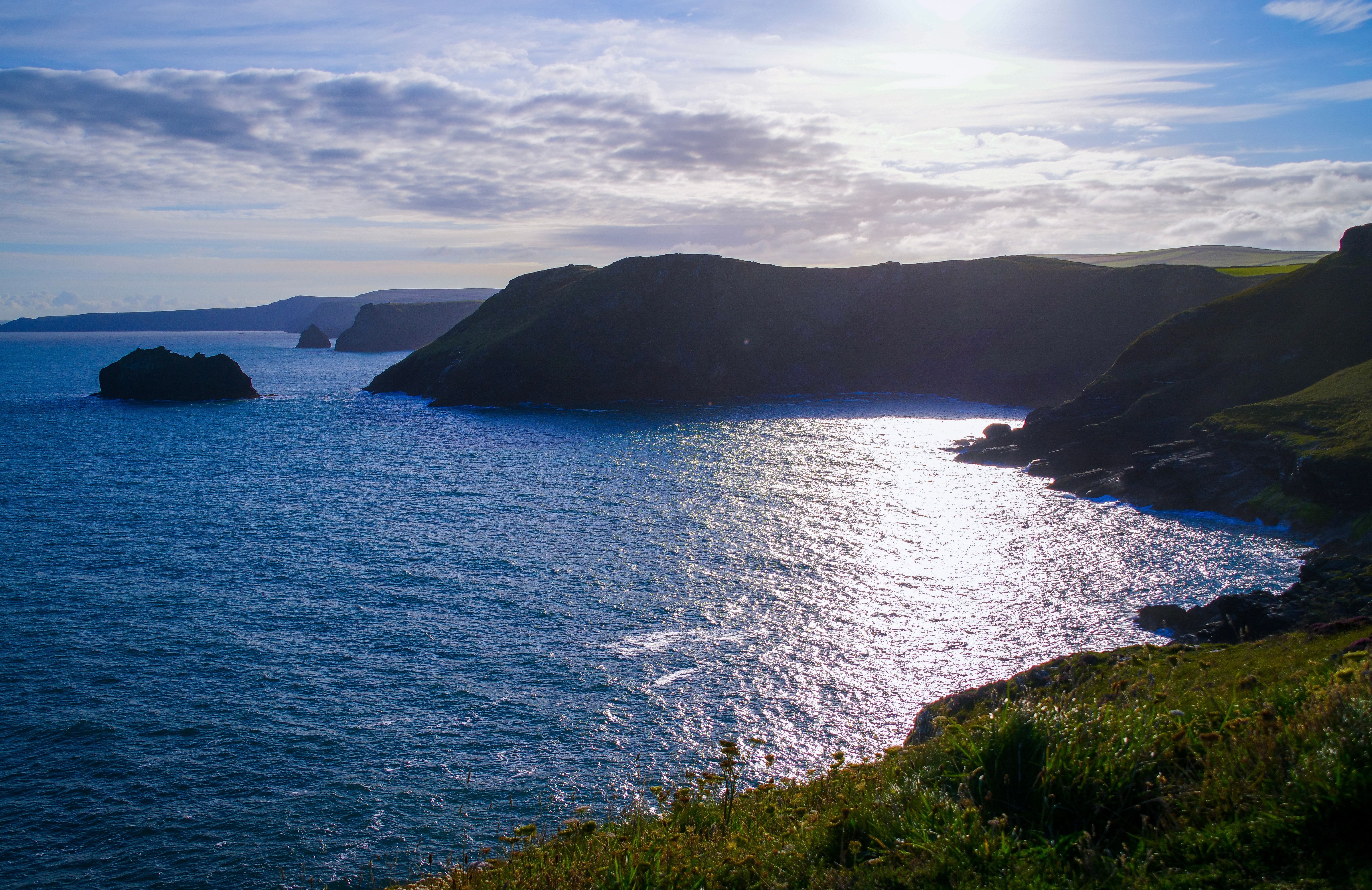
Cornwall didn’t change because of Poldark.
It simply stepped into the light — and the world noticed.