The Cornish Language: A Living Part of Cornwall Today
Feb 06, 2026
Cornwall is a place with a strong sense of identity, shaped by its landscape, history, and culture. One of the most fascinating and often overlooked parts of that identity is the Cornish language, or Kernewek — a language that, against the odds, is very much alive today.
A Brief History of the Cornish Language Cornish is a Celtic language, closely related to Welsh and Breton, and was once spoken throughout Cornwall. For centuries it was the everyday language of Cornish communities, particularly in the west of the county.
By the late 18th century, however, Cornish had fallen out of daily use. Social change, economic pressures, and the dominance of English gradually pushed it aside, and for a time it was widely considered a “dead” language.
But that’s not the end of the story.
Revival and Recognition The 20th century saw a passionate revival movement, driven by Cornish people determined to reconnect with their linguistic heritage. Through research, education, and community effort, Cornish was reconstructed and reintroduced into public life.
In 2014, Cornish was officially recognised under the European Charter for Regional or Minority Languages, giving it the same protected status as Welsh and Scots Gaelic in the UK. This recognition marked an important milestone — not just for the language itself, but for Cornwall’s cultural identity.
Cornish in Everyday Life Today While Cornish isn’t widely spoken as a first language, it has a visible and meaningful presence across Cornwall today.
You’ll see Cornish:
On road signs and place names
In local businesses, pubs, and cafés
At festivals, events, and ceremonies
In schools and community groups
On souvenirs, artwork, and local branding
Words like “Kernow” (Cornwall), “Dydh da” (Hello), and “Meur ras” (Thank you) are increasingly familiar to locals and visitors alike.
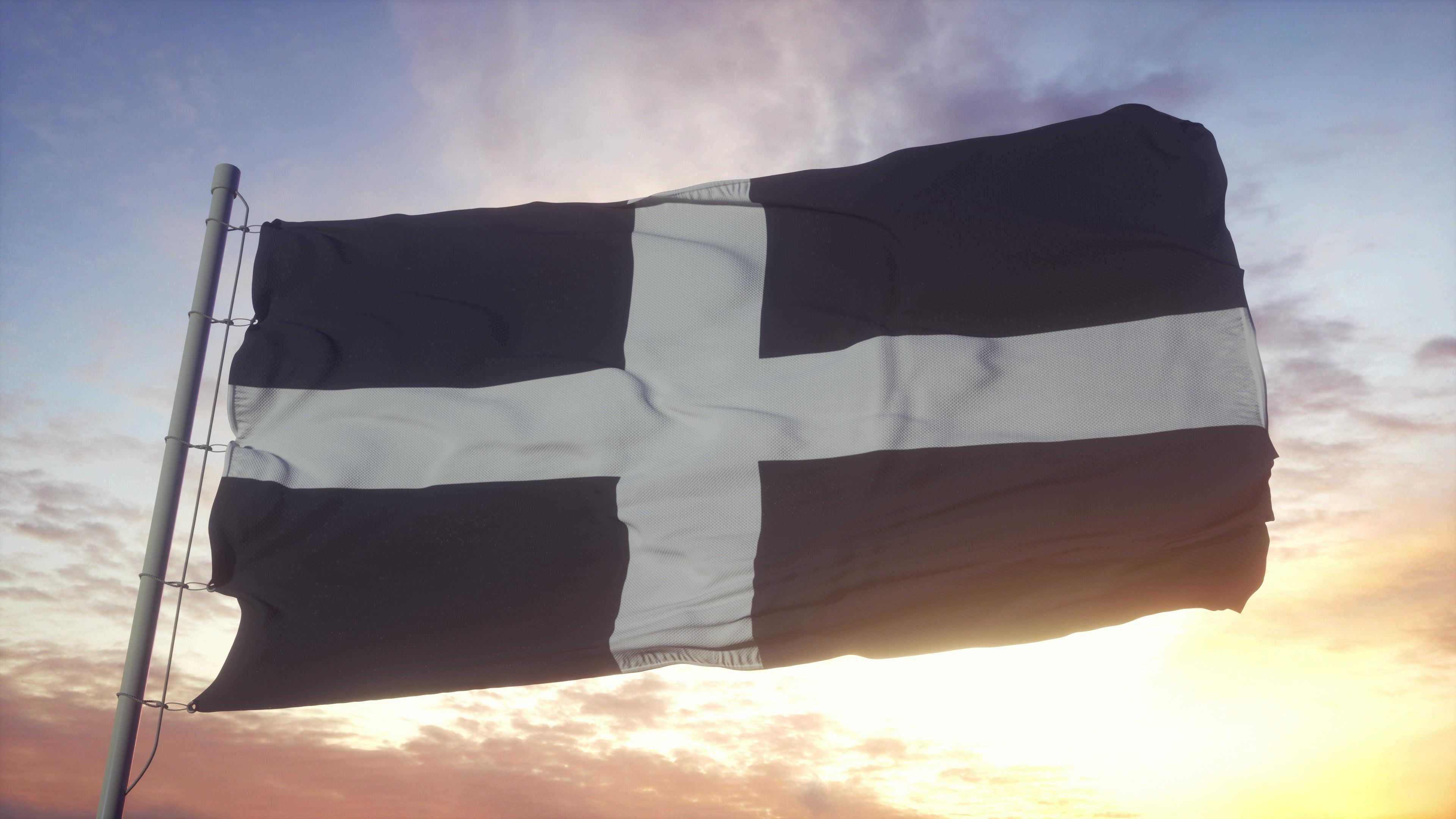
Why the Cornish Language Still Matters The Cornish language is about far more than words — it represents belonging, resilience, and pride. For many people, it’s a way of reconnecting with Cornwall’s distinct past and asserting its unique place within the UK.
For visitors, understanding even a little Cornish offers a deeper connection to the places you’re exploring. Place names, for example, often describe the landscape — cliffs, valleys, farms, or ancient settlements — revealing stories that go back hundreds of years.
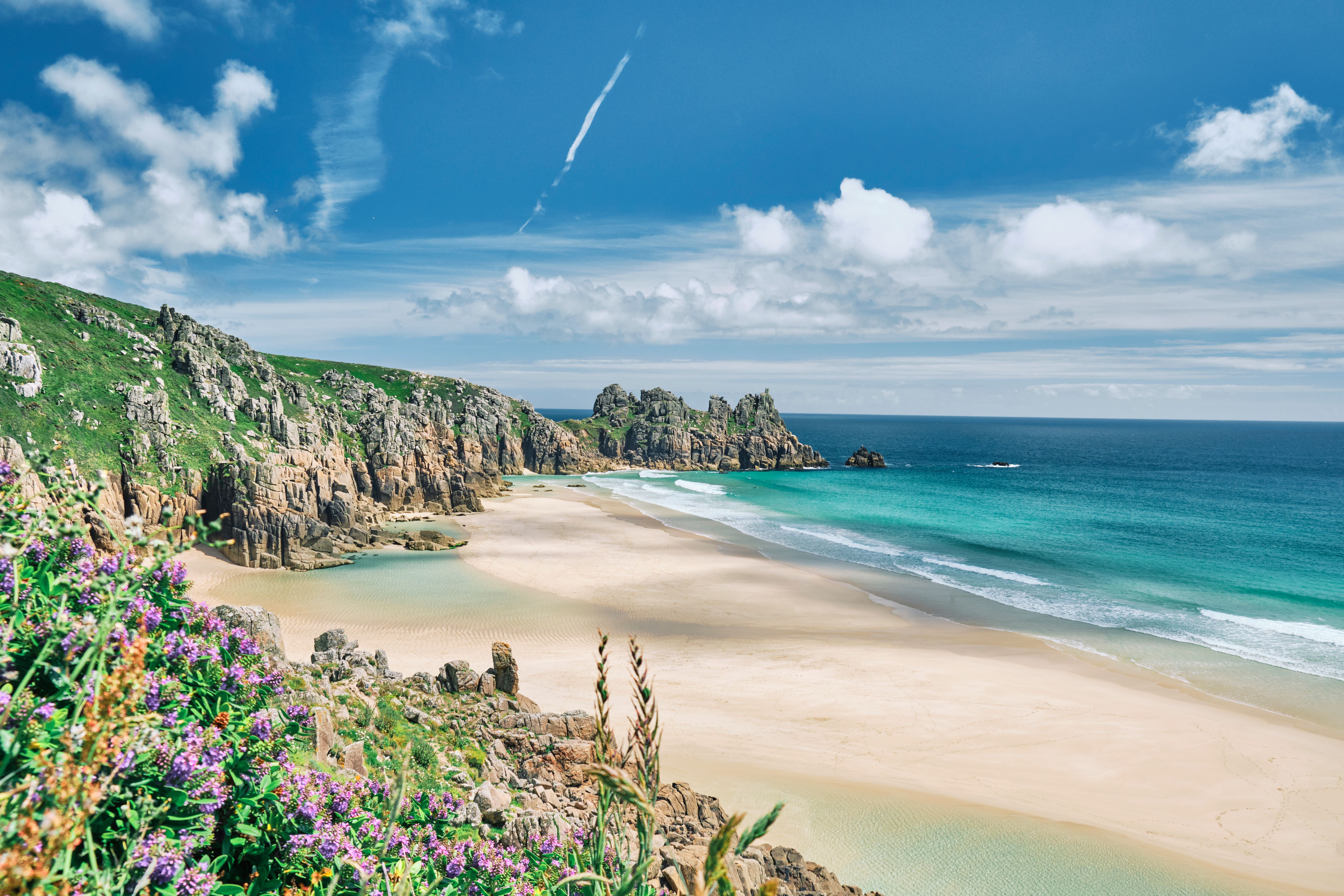
Experiencing Cornish Culture as a Visitor When travelling through Cornwall, you’re not just seeing beautiful beaches and dramatic coastlines — you’re stepping into a region with its own cultural heartbeat. The Cornish language plays a quiet but powerful role in that experience.
At Cornwall Private Tours, we love sharing these stories with our guests — from the meanings behind local place names to the traditions that still shape Cornish life today. It’s these details that turn a vacation into something truly memorable.
A Language That Refuses to Fade The survival of the Cornish language is a testament to Cornwall’s enduring spirit. Once thought lost, it has found a new voice in the modern world — not as a relic of the past, but as a living symbol of Cornish identity.
Whether you hear it spoken aloud or simply spot it on a signpost, Cornish is a reminder that Cornwall is more than a destination — it’s a culture with deep roots and a proud future.