
Behind the Scenes of Poldark: Stories from Extras and the Cast
When people talk about the filming of Poldark, they usually mention the cliffs, the mines, and the dramatic beach scenes. But those who were actually there — whether as extras, crew members, or local observers — often remember something slightly different: the quiet professionalism and atmosphere on set.
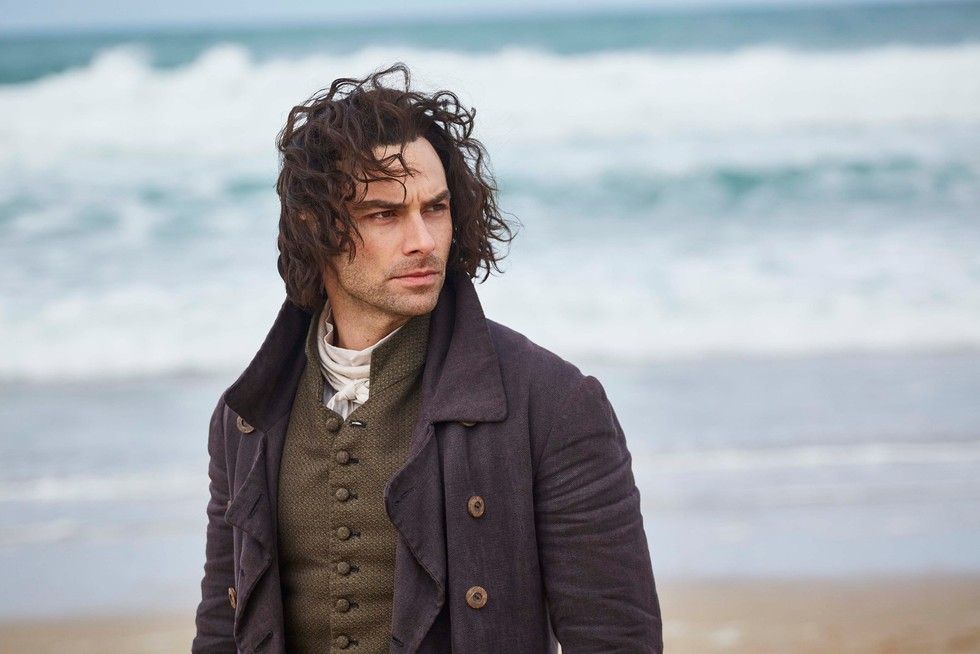
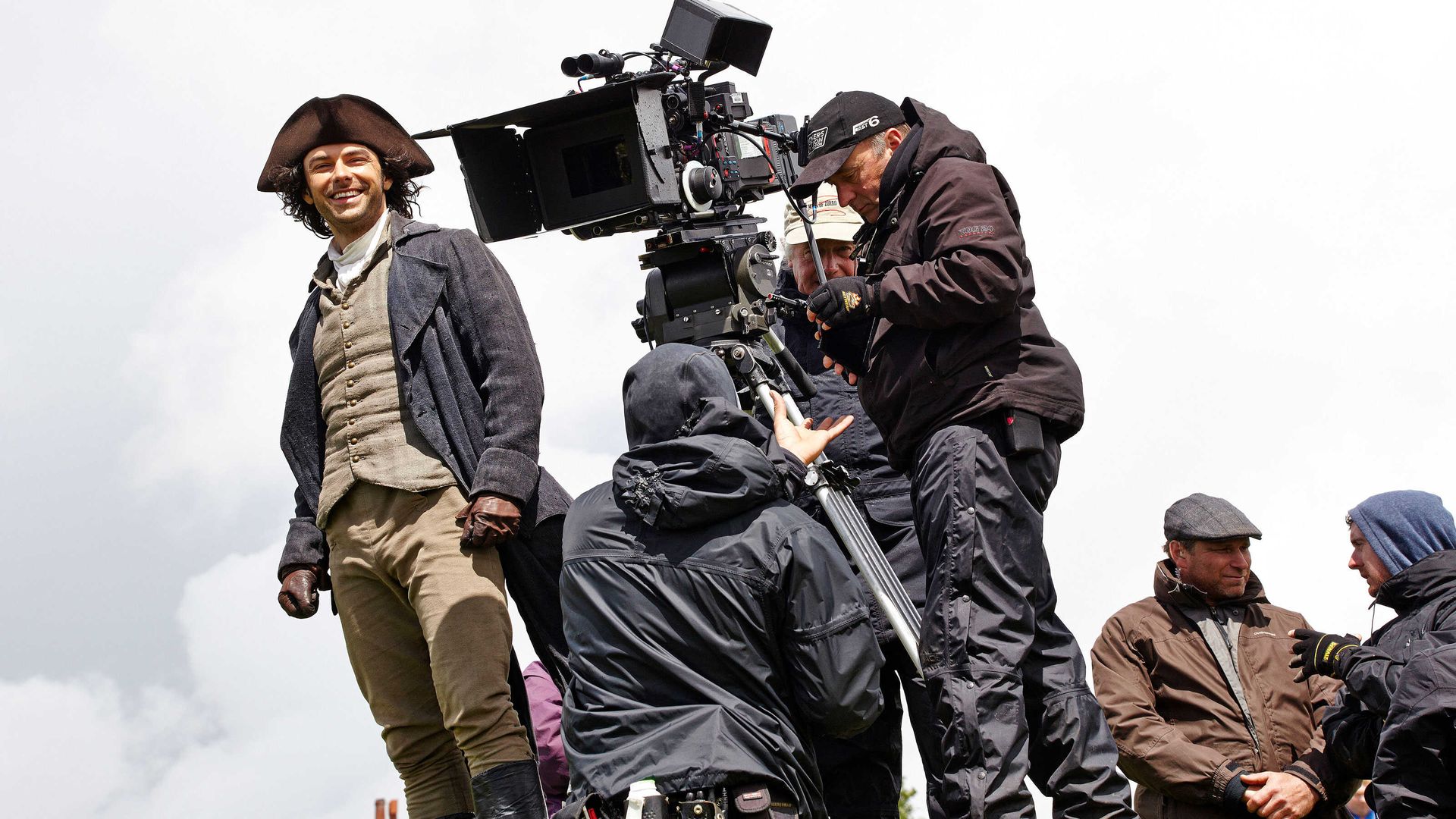
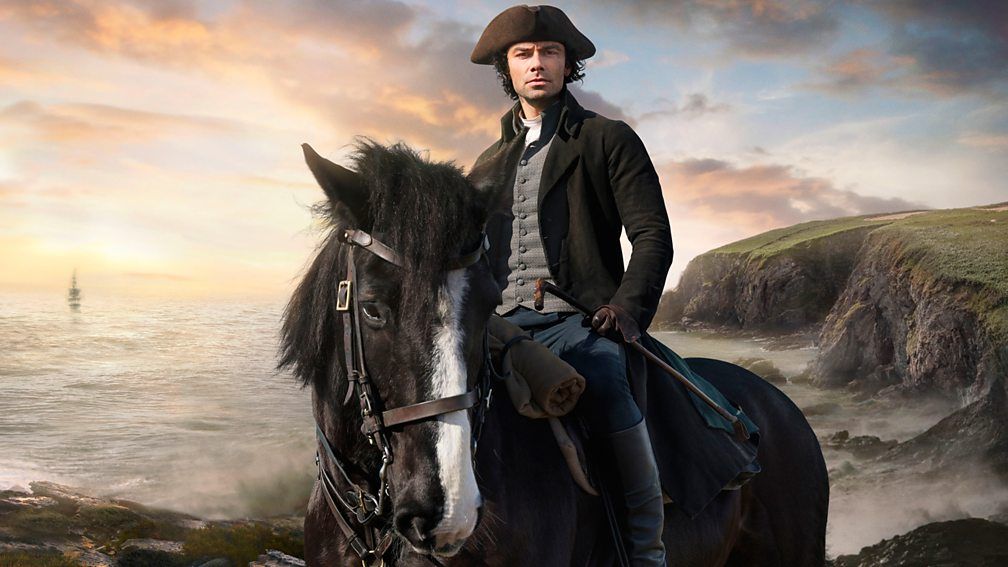
One of the strongest impressions people share is how focused the cast were during filming. Aidan Turner, who carried much of the series on his shoulders, was known for switching quickly between relaxed conversation and complete concentration when cameras rolled. The famous galloping scenes along the beaches might look effortless on screen, but they required repeated takes, careful timing with the tide, and a lot of physical stamina. Riding at speed across soft sand in period costume isn’t as easy as it appears.
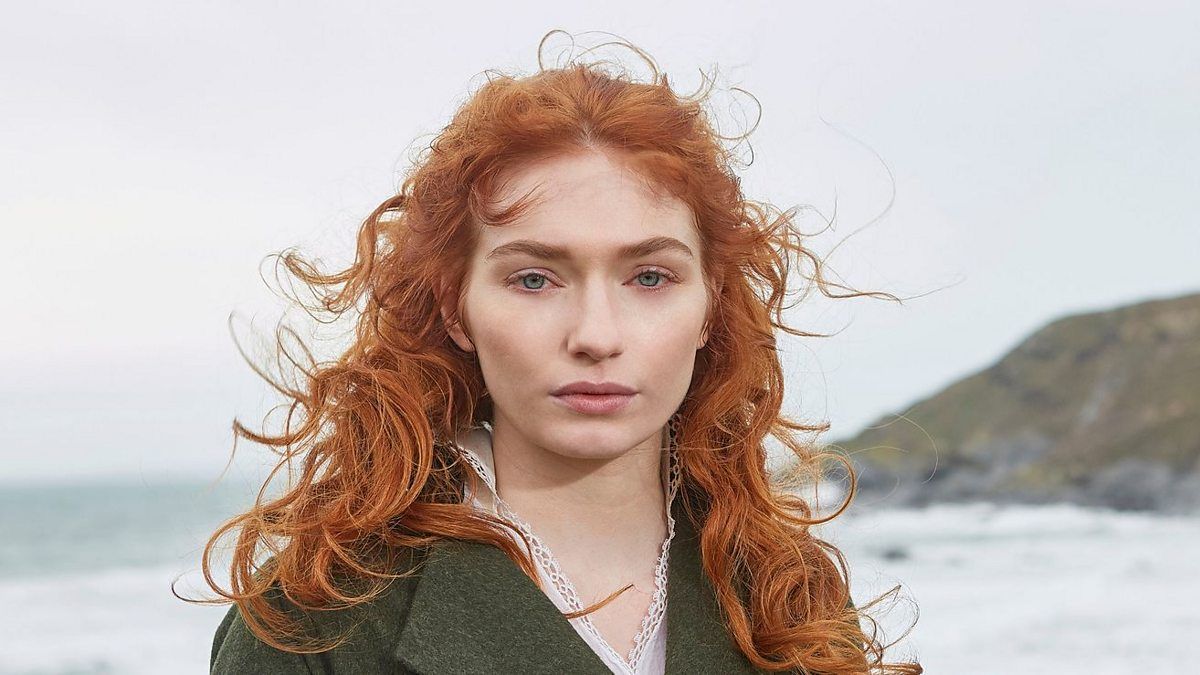
Eleanor Tomlinson, who played Demelza, faced her own challenges. Cornwall’s coastal weather can change in minutes, and lightweight 18th-century dresses are not designed for Atlantic winds. Extras often recall scenes where the cast had to maintain emotional intensity while battling gusts strong enough to flatten bonnets and whip skirts sideways. There’s a particular kind of discipline required to stay in character when the elements aren’t cooperating.
Filming around historic mining locations added another layer of responsibility. The cast and crew were very aware that these weren’t simply picturesque backdrops but real remnants of Cornwall’s industrial past. There was care taken — both practically and respectfully — in how those spaces were used.
At harbours and coastal villages, the transformation could feel almost surreal. Modern details would quietly disappear, gravel would be shifted, props arranged, and within minutes a familiar Cornish setting would look convincingly 18th century. Locals watching from a distance often described it as stepping briefly into another era.
Perhaps what stands out most is the sense of continuity. Because filming returned to the same areas over several seasons, relationships formed. The production didn’t feel like a fleeting intrusion; it became, for a time, part of the rhythm of West Cornwall life.
There were no dramatic behind-the-scenes scandals or headline-grabbing tensions — just long days, shifting weather, and a cast and crew working steadily to bring the story to life. For those who stood in the background of market scenes or watched from clifftops as cameras rolled, the experience felt grounded and collaborative rather than glamorous.
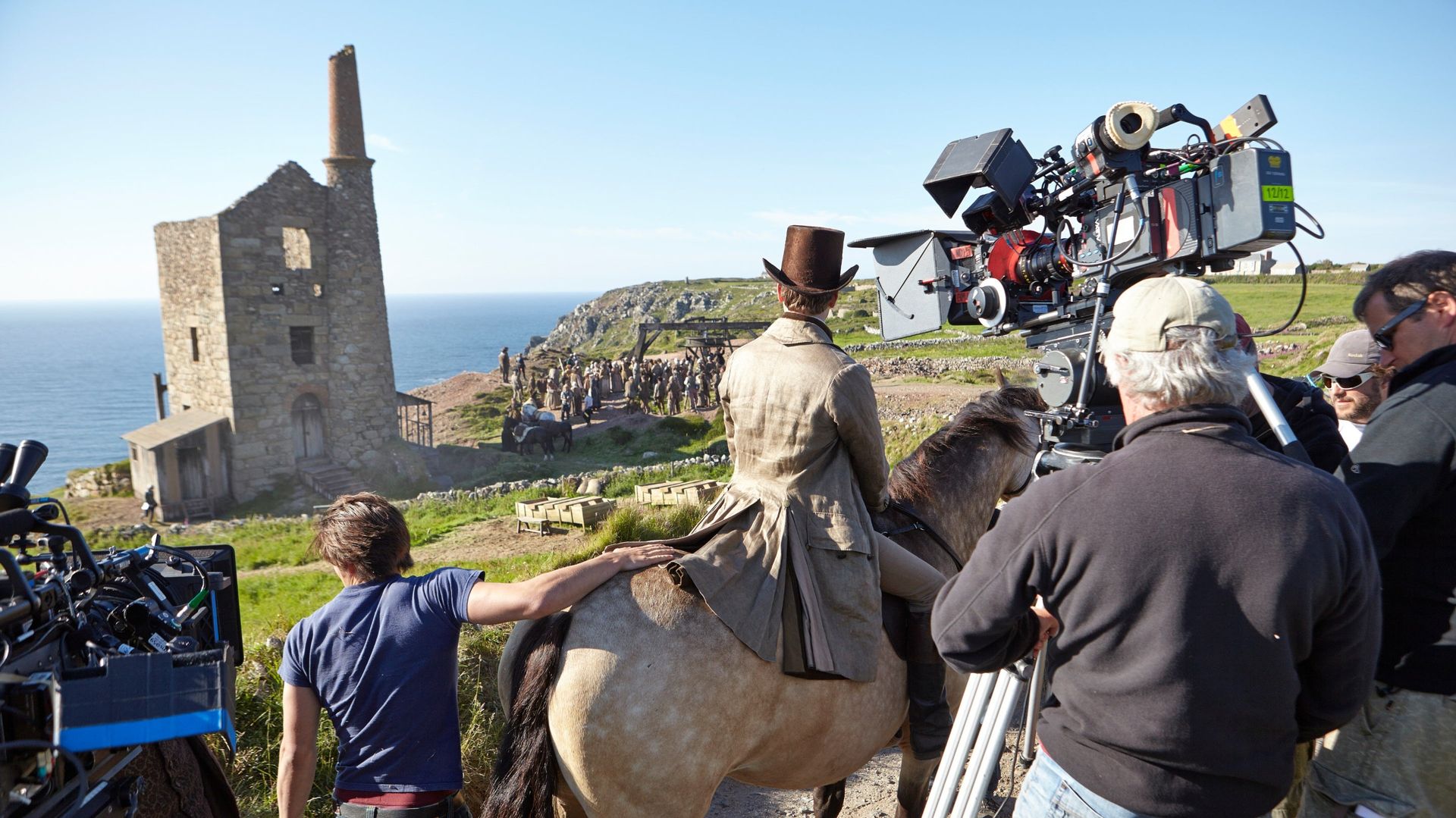
And that may be why the series resonated so strongly. The performances were layered onto real landscapes, shaped by real wind and real sea spray. The cliffs were not constructed sets; the mines were not studio backdrops. Everyone involved — from lead actors to local extras — was responding to something authentic.
Long after the production packed up, Cornwall remained exactly as it was: rugged, exposed, beautiful, and unchanged. The difference is that now, when you stand on those headlands or walk those beaches, there’s a quiet awareness that for a few seasons, those same winds carried a story watched around the world.
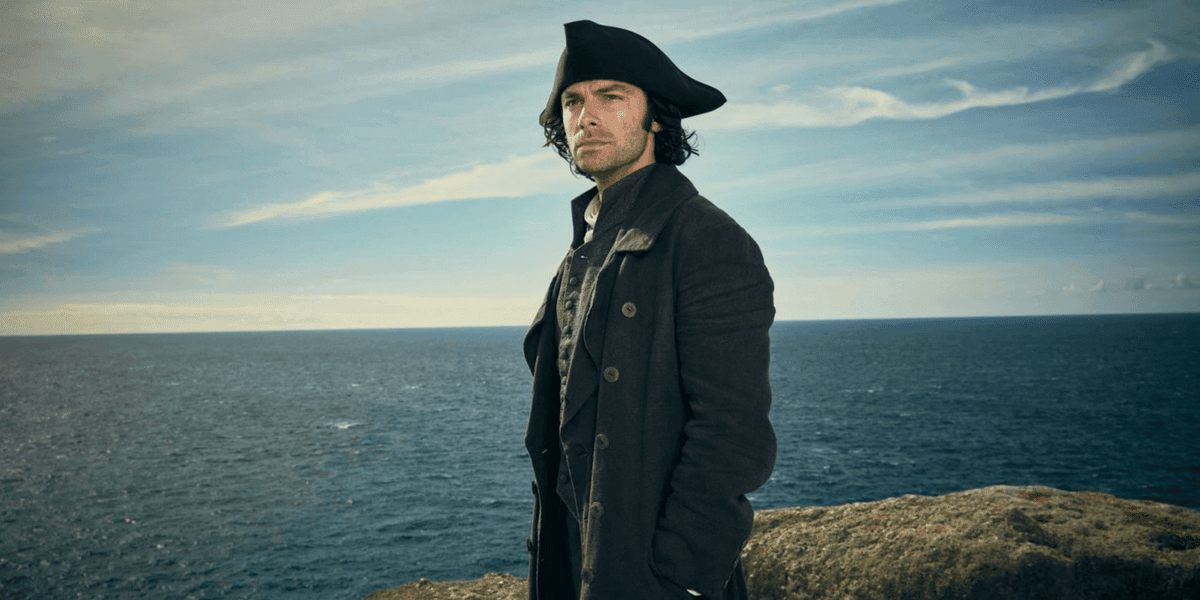
For fans of Poldark, or anyone interested in experiencing Cornwall as it appeared on screen, we can help you explore these iconic filming locations. With guided tours tailored to your visit, we take you to the cliffs, beaches, harbours, and mines where the series was brought to life — giving you a chance to walk in the footsteps of Ross, Demelza, and the local extras who made it all possible.